
Why Defence Electronics Fail Between Prototype and Qualification
August 13, 2026
Table of Contents
- Prototype success can hide qualification risk
- EMC/EMI must be designed in, not tested in
- Environmental testing exposes what the bench cannot
- Documentation is part of the product
- Qualification is a design strategy
- The handover gap is where risk grows
- The question defence teams should ask earlier
- DALO Industry Days 2026: a timely place for the right technical conversations
- About the author
A working prototype is not a qualified defence product. That distinction matters. Many electronics projects reach prototype stage with confidence. The unit powers up, the software runs, the interface works, and the first functional tests look promising. Then qualification begins, and hidden risks start to surface.
This is where many defence electronics projects lose time, budget, and momentum. EMC problems appear. Environmental stress exposes weak design margins. Documentation gaps slow progress. Production teams discover that the product is difficult to build, test, or repeat.
In defence electronics, the real challenge is not getting a prototype to work once. It is developing a product that can perform, qualify, scale, and remain supportable in demanding operational environments.
Prototype success can hide qualification risk
A prototype proves that a concept can function under controlled conditions. Defence qualification asks much tougher questions. Can the product handle vibration, shock, temperature shifts, humidity, electrical noise, and harsh field conditions? Can it meet EMC/EMI requirements? Can it be produced consistently? Can it be documented, tested, repaired, upgraded, and supported over time?
These questions should not wait until the end of development. They must shape the architecture from day one.
Design choices in PCB layout, grounding, shielding, cable routing, enclosure design, connector selection, power architecture, firmware behavior, thermal management, and component selection all influence qualification outcomes.
EMC/EMI must be designed in, not tested in
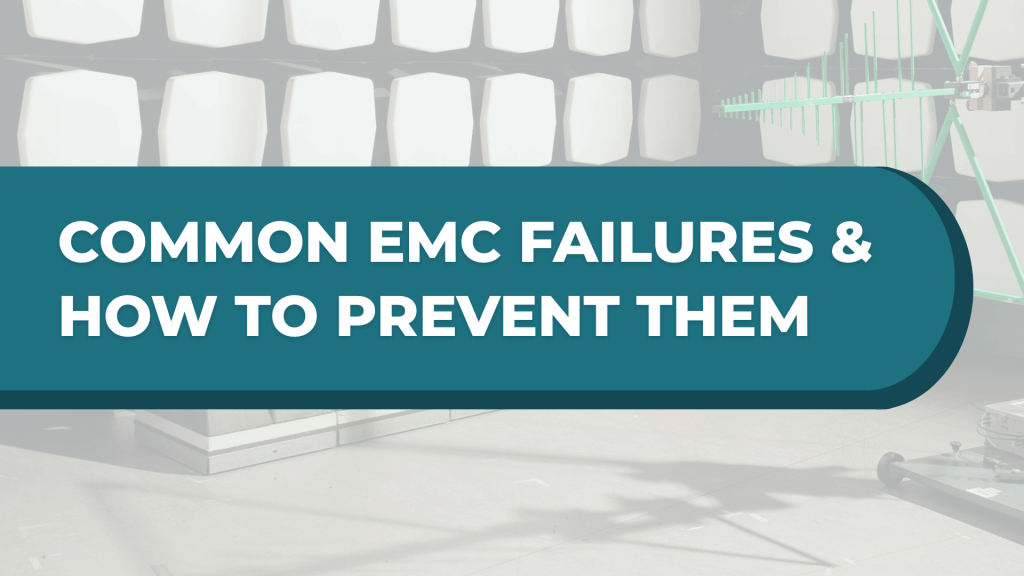
EMC and EMI failures often happen because teams treat compliance as a final checkpoint instead of a design requirement. A noisy power stage can affect communication performance. Poor grounding can increase emissions. Cable routing can create antenna effects. Firmware timing can change EMC behavior. Enclosure decisions can weaken shielding. By the time these issues appear in formal testing, the project may already need PCB changes, mechanical updates, firmware adjustments, new documentation, and another test cycle.
EMC/EMI readiness starts much earlier. It belongs in architecture discussions, schematic reviews, PCB layout, enclosure planning, pre-compliance testing, and design validation. It is not only a lab task. It is an engineering discipline that should guide the product throughout development
Environmental testing exposes what the bench cannot
Defence products rarely operate in ideal conditions. They face vibration, shock, temperature variation, humidity, dust, power instability, transportation stress, and long operating hours. A prototype that works in the lab may still fail in the field. Environmental testing often reveals weak assumptions that functional testing cannot catch. Connectors may loosen. Components may drift. Thermal margins may disappear. Solder joints may fatigue. Sealing may fail. Displays, sensors, batteries, and power electronics may behave differently under stress.
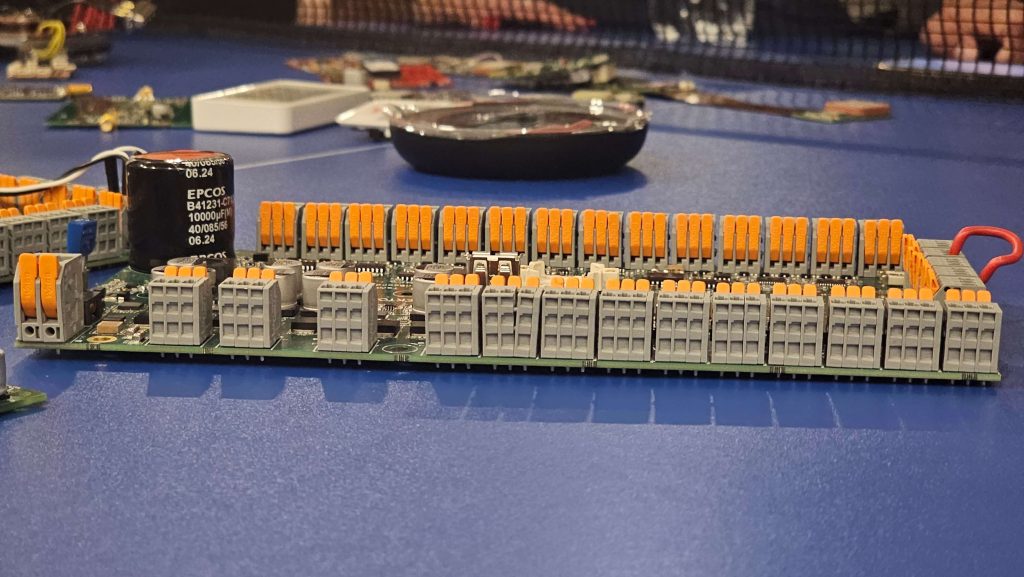
Qualification to standards such as MIL-STD-810 and STANAG 4370 requires more than basic functionality. It requires ruggedization, design margin, repeatability, and field readiness. That means environmental requirements must influence mechanical design, material choices, thermal paths, mounting strategy, connector selection, service access, and test planning early in the project.
Documentation is part of the product
Documentation is not just paperwork. In defence electronics, it is part of the product’s ability to qualify, scale, and remain supportable.
During prototype development, teams often move fast. Decisions stay in emails, test notes remain informal, changes are tracked loosely, and critical knowledge sits with a few engineers. That may work in early development, but it creates risk when the product moves into qualification, production, and long-term support.
Defence electronics require traceability. Requirements, design changes, test evidence, compliance data, production instructions, inspection criteria, and configuration control must be clear and reliable. Poor documentation makes failures harder to diagnose, slows qualification, increases production risk, and weakens lifecycle support.
Strong documentation protects the project as it moves from design to testing, manufacturing, commissioning, and service.
Qualification is a design strategy
The biggest mistake is treating qualification as something that happens after development. For defence electronics, qualification should guide development. It should influence system architecture, hardware design, embedded software, EMC/EMI planning, environmental protection, component strategy, documentation, manufacturing preparation, and test methods.
This is especially important for rugged power electronics, avionics, FADEC-related systems, ELINT/SIGINT equipment, electronic warfare applications, gun control systems, UAV electronics, and other mission-critical platforms where failure is expensive and qualification is demanding.
The teams that succeed do not wait for formal testing to reveal the truth. They design with qualification in mind from the start.
The handover gap is where risk grows
Many defence electronics projects are split across separate suppliers. One team designs the hardware, another develops the software, another handles testing, and another prepares manufacturing or commissioning. Each handover creates a point where requirements can be misunderstood, test feedback can be delayed, production constraints can arrive too late, and documentation can become inconsistent.
An integrated lifecycle approach reduces these gaps. When hardware, software, testing, qualification, production, box build, and commissioning work under one quality system, teams move with more control. Design choices can be checked against compliance needs; test results can feed directly into improvements, production risks can be caught earlier, and documentation can remain aligned. That is how defence electronics move from working prototype to a qualified, buildable, supportable product.
The question defence teams should ask earlier
Before asking, “Does the prototype work?” teams should ask a better question: has the product been designed to qualify?
That question changes the project. It brings EMC/EMI, environmental testing, documentation, production readiness, lifecycle support, and quality control into the discussion while there is still time to make smart decisions.
A working prototype is a milestone. It is not the finish line. The real goal is a defence product that can perform under pressure, pass qualification, enter production, and remain reliable throughout its service life.
DALO Industry Days 2026: a timely place for the right technical conversations
Industry events are one practical way to find that support, compare capabilities, and speak directly with companies that understand defence electronics beyond the prototype stage. Reducing risk between prototype and qualification starts with early access to the right expertise.
DALO Industry Days 2026, taking place 19 to 20 August 2026 at MCH Messecenter Herning, gives exhibitors and participants a larger setting for dialogue, demonstrations, B2B meetings, and access to operational units, international delegations, procurement specialists, technology providers, and defence industry partners. For teams working on rugged military or dual-use electronics, that matters. It creates a focused environment to ask practical questions about EMC/EMI, environmental qualification, documentation, production readiness, and lifecycle support before these issues become expensive delays.
About the author
Bohdan Pishchaniuk is the Technical Leader at EKTOS. He works closely with customers and engineering teams to shape technical solutions, guides architectural decisions, and supports engineers in solving complex technical challenges, helping engineering teams reduce risk as products move from prototype to qualified, production-ready electronics. EKTOS provides full lifecycle support for ruggedized military and dual-use electronics, with hardware and software designed, qualified, and built under one quality system. DALO Industry Days 2026 participants can meet the EKTOS at Booth D3108, to discuss embedded systems, qualification, environmental testing, EMC/EMI support, production readiness, box build, and lifecycle support.